
ACRE
Two Blue Vortex Latest Sneak Peek Teases Konohamaru Outside of Konoha

With the upcoming release of chapter 16 of the Boruto: Two Blue Vortex manga, Konohamaru has left Konoha for the Land of Wind, but his mission is anything but simple. The Sentient God Trees have expanded their roster of monsters, and with Gaara and Shinki now sealed, it’s a race against the clock to reach and save them before Ryu and the rest of the God Trees arrive in earnest.
Unlike the previous mission to rescue Gaara, which failed decades ago after Naruto and his party failed to reach the Kazekage in time, the new rescue team is anything but slow. Boruto and Kawaki have entered into a temporary truce, Konohamaru has already arrived, and Shikamaru is finally on Boruto’s side. The stakes have never been higher for Boruto, and if he fails to defeat Ryu, the God Trees will be one step closer to total victory against the shinobi world.
Konohamaru’s Journey to the Land of Wind
Konoha’s Mission to Rescue the Kazekage
After a valiant sacrifice to keep the next generation safe from Matsuri, Gaara was sealed by Shinki to avoid being consumed by Claw Grimes. However, neither escaped the battle, with Shinki being consumed in Gaara’s place. Unable to consume the Kazekage or breakthrough Shinki’s sealing jutsu, Matsuri fled back to the Sentient God Trees to witness their newest member being born. With their disastrous defeat at the hands of Matsuri, Yodo’s team, now consisting of only Yodo and Araya, reported back to Kankuro. Without the Kazekage to guide them, Kankuro was forced to call Konoha for backup, and the mission to rescue Gaara and Shinki began in earnest.
Konohamaru’s mission in the Land of Wind has something to do with rescuing Gaara, and with Boruto and Kawaki on the way, it’s likely Shikamaru sent Konohamaru to gain intel before the heroes arrive to save the day. Konohamaru will most definitely meet with Kankuro before the two Uzumaki brothers arrive, but the larger ramifications of his mission remain shrouded in mystery. Considering Shikamaru now has to play politics and pretend Boruto is still the enemy, he’ll have to juggle between utilizing Boruto and Kawaki to defeat Ryu and possibly Matsuri while also relying on Konohamaru, Yodo, and Araya to rescue the Kazekage.
Related
Jura’s Plans in Boruto: Two Blue Vortex Chapter 15, Explained
Chapter 15 of Boruto: Two Blue Vortex reveals the demented Jura has shady plans that involve a scary new alliance and a ton of deceit on his part.
In short, Konohamaru’s mission isn’t just to help rescue the Kazekage. He needs to work as Shikamaru’s eyes and ears to find a path that will allow Boruto and Kawaki to find their target and eliminate any God Trees in the area while the real rescue team saves Gaara and Shinki. The two villages might be at peace and even allies, but given Boruto’s criminal history in the eyes of the world, even saving the Kazekage wouldn’t excuse his crimes. It could even spark a diplomatic incident between the two villages. In the worst possible outcome, having saved Gaara, he might just turn around and attempt to capture Boruto for the perceived murder of his friend.
Given the situation around Gaara and Shinki’s sealing, the only way to free them both is to defeat Ryu, which would free Shinki and allow him to undo the sealing of his father, Gaara. This means the rescue mission can only truly commence once Ryu is defeated. Unlike Juru, Ryu isn’t the most powerful Sentient God Tree, but even he has the power to kill anyone other than Boruto and Kawaki, and since the two are teaming up for such a special occasion, Ryu will likely have his own backup, possibly Matsuri, but if any other God Trees get involved, it won’t just be a rescue mission to save the Kazekage, but everyone involved.
The Race to Save Gaara in Boruto: Two Blue Vortex
Yodo and Araya’s Redemption to Save Shinki
.jpg)
After their humiliating defeat, failure to keep their Kazekage safe, and even the loss of a fellow teammate in the encounter, Yodo and Araya have a lot to do to redeem themselves. Now that Konohamaru has arrived as the vanguard of Konoha’s forces, not all is lost for Yodo’s team, but even so, the fight ahead is nothing like they’ve ever experienced. Sure, Boruto and Kawaki are on their way, but even with their speed, it’s likely that Yodo’s team will face some action before Boruto arrives to save the day.
Yodo and Araya are capable shinobi, and even Kankuro will likely join the battle to save his brother. The only question is whether Temari will find out and come running. It’s unlikely that Shikamaru would risk worrying her, but given Temari’s nature at reading between the lines, her inclusion on the rescue mission can’t be discounted. With Konohamaru as support and Boruto and Kawaki as wildcards, the rescue mission has excellent odds of successfully saving Gaara, but only if each group can work together for the greater goal. Given Boruto’s notoriety, there’s some room for conflict.
Related
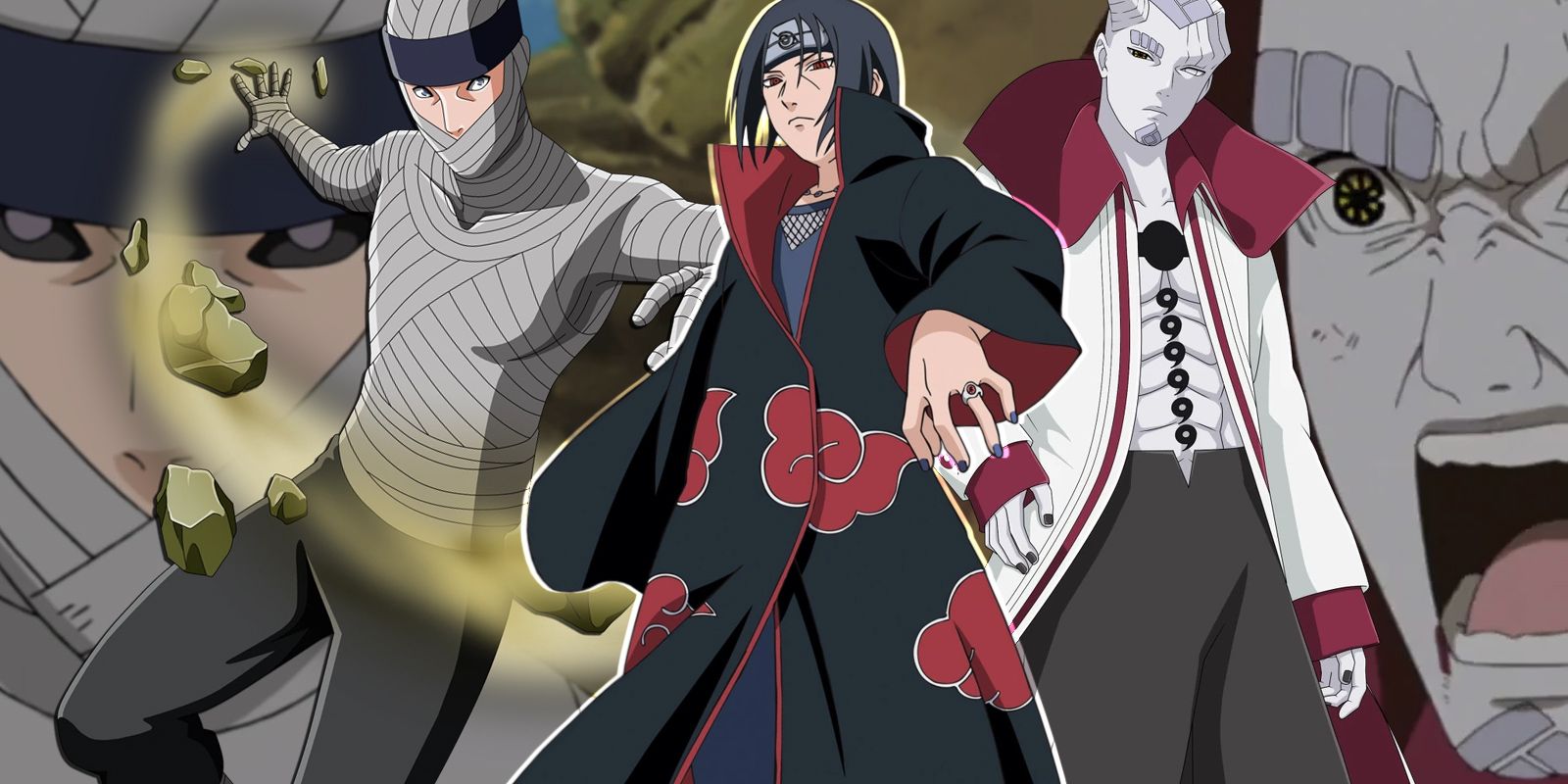
10 Naruto Characters Who Could Destroy Gaara, The Fifth Kazekage
Several powerful ninjas in Naruto and Boruto-era foes can bypass Gaara’s defenses and defeat him.
The first Kazekage Rescue Mission originally consisted of Kakashi, Naruto, Sakura, and Chiyo, among other supporting members of Konoha. In their first attempt, the rescue team was too slow to save Gaara before his Tailed Beast was extracted from him, and only thanks to Chiyo’s sacrifice did Gaara live to see another day. This time around, the stakes are higher, with Gaara’s life at stake, sure, but also his adoptive son, Shinki. And if Ryu has his way and devours Gaara, the God Tree will only grow stronger and could even become unstoppable.
The first Kazakage rescue attempt may have been too slow, but this time around, it’s on home turf for the sand shinobi and their allies. They know exactly where Gaara is and what they’re up against, but speed is still what will either save Gaara or doom him as both sides race to undo Shinki’s sealing for their prize. However, the race turns out, it’s clear that the new rescue team is in a much better position for success, having all the intelligence they need to complete the mission and having even more capable shinobi leading the charge. Konohamaru is Boruto’s team leader for a reason.
The Sentient God Tree’s Impending Clash
Boruto and Kawaki’s Fated Team-up
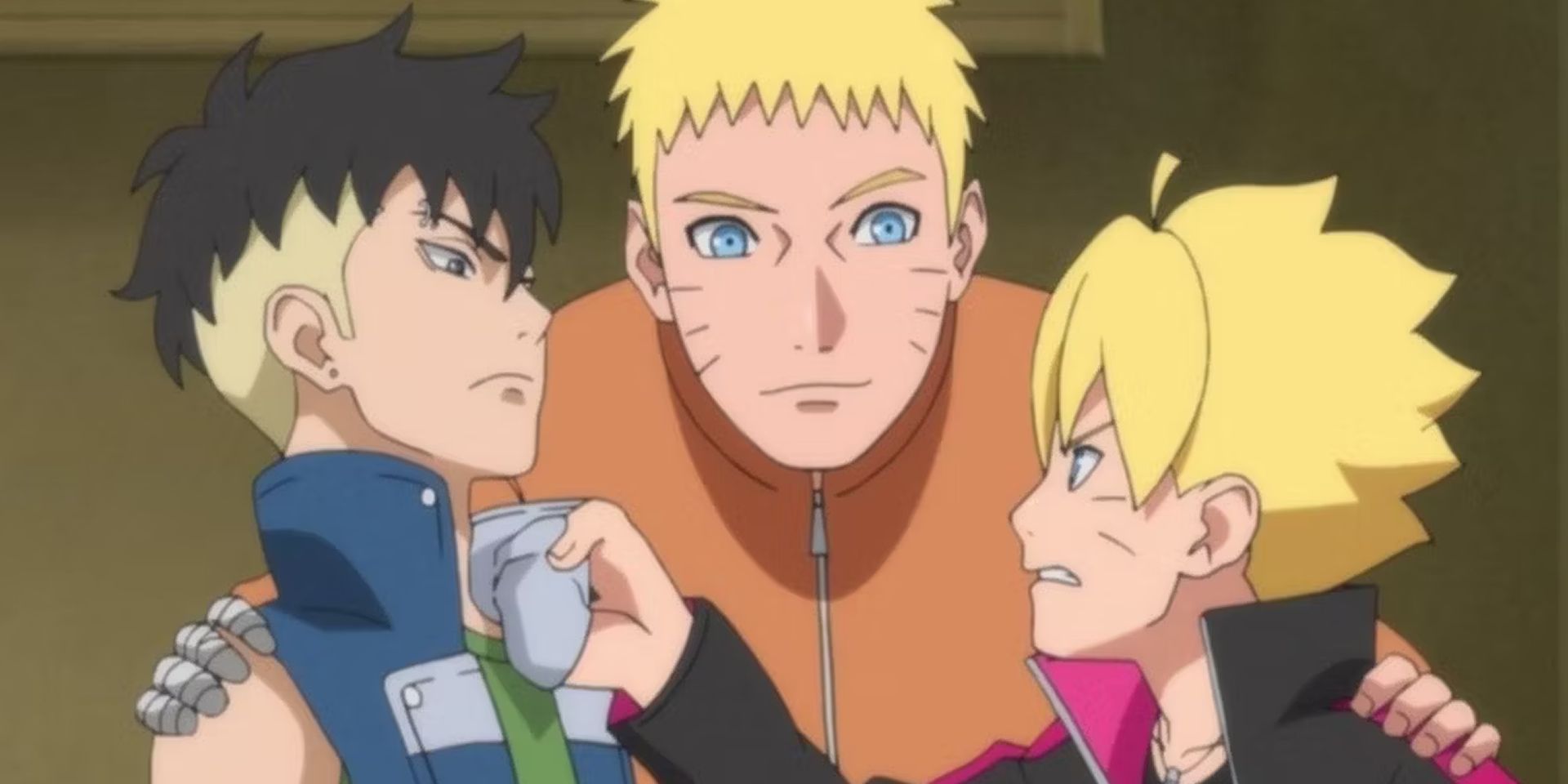
Boruto and Kawaki may be archrivals, but they’re also brothers who share the same goal of keeping the world safe, but they diverge in opinion over the best way to do so. It’s already fated that they will battle at the end of the series, so their team-up is only temporary to save Gaara and defeat the God Trees together. While Kawaki only initially teamed up with Boruto for that goal, it will likely take time for the two to defeat all the God Trees, especially Jura, but in this specific case, their enemies may just come to them. Given the circumstances, Ryu and Matsuri vs. Boruto and Kawaki is the most likely outcome once all parties reach the Kazekage.
It’s only a matter of who’s faster, and given Boruto’s newest jutsu, it’s safe to say that team Konoha has the advantage, but Ryu’s kekkei genkei is no joke, either. It will be a battle of monsters, and even with Boruto and Kawaki’s cooperation, it’s highly likely the two brothers won’t be able to put their differences aside long enough to do any real damage against the God Trees, especially Ryu with his defensive abilities around his magnet release, similar to Gaara’s own jutsu and fighting style. Larger picture, whether they succeed in saving Gaara or not, if they can at least take down one or even two God Trees, Jura’s forces will drastically diminish.
Related
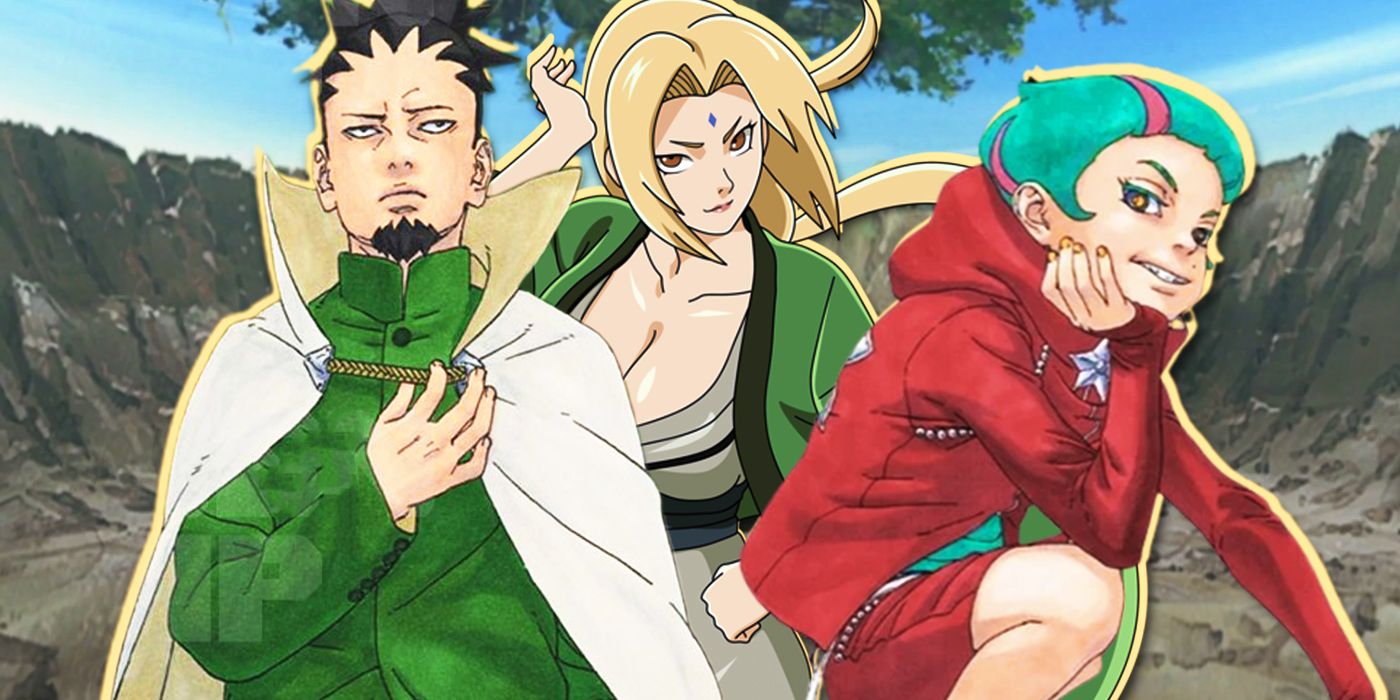
10 Characters Who Could Become Sentient God Trees In Boruto
The Sentient God Trees gain the appearance and techniques of their templates in Boruto Two Blue Vortex.
Only Boruto and Kashin Koji know the intricacies of defeating God Trees, given their Thorn Soul Bulb weaknesses. While Kawaki is finally in the loop, it’s unlikely he’ll listen to what Boruto has to say until it’s too late. Either way, their team-up will at least give Gaara and Shinki a fighting chance, but given the trajectory of the narrative and how much the Boruto series likes removing legacy characters, Gaara may just yet sacrifice himself for the next generation with Shinki inheriting his nindo as a result. There’s even a chance that Boruto and Shinki will fight each other as a parallel to Naruto and Gaara’s battle if they fail to save the Kazekage.
Zooming out more, while the focus is currently on the Land of Wind, Jura and the rest of the God Trees aren’t likely to just sit around and wait, but actively shape the narrative from behind the scenes. Don’t forget Code is still a looming threat in the shadows waiting for the perfect opportunity to strike and kill Boruto for revenge. He isn’t the current focus, but Code just might strike in the confusion. Ultimately, while the Kazekage Rescue Mission 2.0 has much better chances at rescuing Gaara this time around, death flags are being raised, and it’s highly unlikely that everyone survives the upcoming battle. It’s just a question of how bad things get before Boruto and Kawaki have their fated duel.

Boruto: Naruto Next Generations
- Release Date
- April 5, 2017
- Creator(s)
- Masashi Kishimoto
- Cast
- Yûko Sanpei , Kokoro Kikuchi , Ryuichi Kijima , Yuma Uchida , Hidenori Takahashi
- Seasons
- 6
- Writers
- Makoto Uezu , Ukyo Kodachi
- Directors
- Noriyuki Abe , Hiroyuki Yamashita


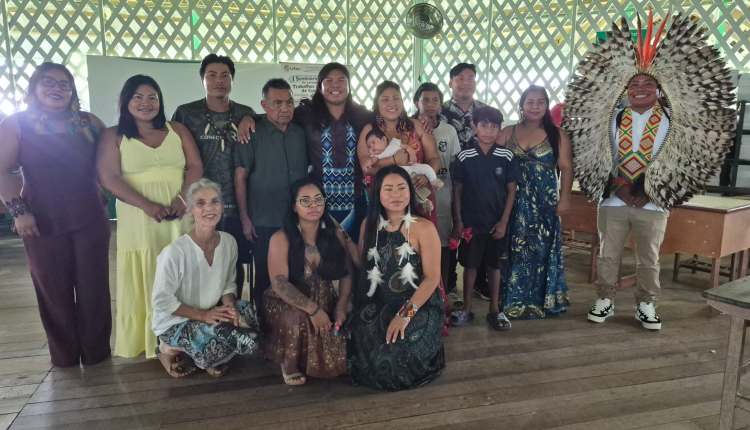
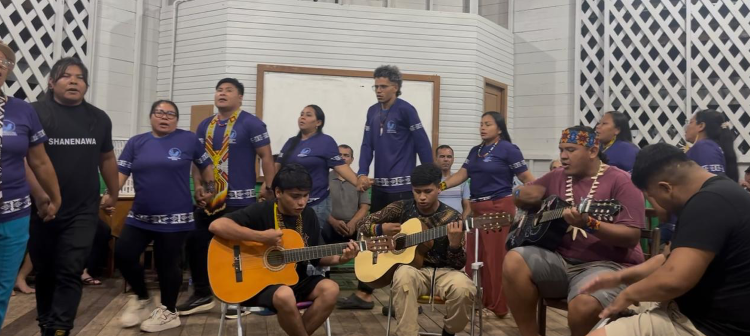
O curso de Licenciatura Indígena, do campus Floresta da Ufac, realizou o 1º Seminário Acadêmico de Apresentação de Trabalhos de Conclusão de Curso (TCCs). O evento possibilitou a defesa de 16 trabalhos nas aldeias Barão, da terra indígena Puyanawa, em Mâncio Lima (AC), e Morada Nova, na terra indígena Katukina/Kaxinawá, em Feijó (AC). As atividades ocorreram entre 25 de setembro e 2 de outubro, envolvendo estudantes, professores, egressos do curso, pós-graduandos e as comunidades locais.
Os TCCs defendidos nas aldeias são de autoria de discentes que ingressaram na Ufac em 2023 e deverão colar grau no início de 2027. Os temas das pesquisas contemplaram variados aspectos da vida indígena, abrangendo história, biografia, mitologia, organização política, território, medicina tradicional, grafismos, gênero, terminologias linguísticas, educação especial, atividade cinegética e rituais tradicionais.
A viabilização das defesas nas aldeias ocorreu pela primeira vez em 18 anos de existência da graduação e está de acordo com a pedagogia da alternância, pela qual parte da carga horária do curso é realizada nas comunidades indígenas dos alunos, por meio de pesquisa e extensão. Os recursos para realização do evento foram provenientes de projeto de extensão com o mesmo nome do seminário.
As bancas de avaliação foram compostas por docentes do curso, egressos de outras turmas da Licenciatura Indígena e egressos indígenas de outros cursos da Ufac, inclusive da pós-graduação. Também compuseram algumas bancas pessoas reconhecidas por suas comunidades com “notório saber”, expediente previsto no regulamento de TCC do curso. Além de familiares dos estudantes e moradores das aldeias, indígenas de outras etnias estiverem presentes no seminário.
Organização
A atividade no município de Mâncio Lima, que é vizinho ao campus Floresta, em Cruzeiro do Sul (AC), ocorreu num só dia, em 25 de setembro, com a defesa de dois TCCs. Já para o evento em Feijó foi necessário um deslocamento de ônibus, com duração de quase seis horas, em 30 de setembro, até o porto da cidade. E, à noite, uma embarcação levou cerca de 20 pessoas até a aldeia Morada Nova, onde houve uma recepção musical para o grupo. Na manhã do dia seguinte começaram as defesas, que prosseguiram até 2 de outubro.

ACRE
Ufac retoma Semana Acadêmica de Física após 6 anos, com planetário — Universidade Federal do Acre

A Universidade Federal do Acre (Ufac) realiza até esta sexta-feira, 23, a 3ª Semana Acadêmica de Física, no prédio do curso, no campus-sede, em Rio Branco. Iniciado nessa segunda-feira, 19, o evento retoma as atividades presenciais da semana acadêmica após seis anos de interrupção, causada pela pandemia de covid-19 e pela reorganização do calendário universitário.
A programação tem atrações abertas ao público, como oficinas de astronomia, observação do Sol com telescópio e um planetário móvel, instalado no segundo andar do prédio de Física. Há ainda palestras, apresentações de pesquisas de estudantes e minicursos práticos de elaboração de material didático, física experimental, criação de mapas, processamento de dados e sismologia.
Organizada em três eixos temáticos, a semana é voltada aos estudantes da licenciatura e do bacharelado em Física e do curso de Física Aplicada às Ciências da Terra. Os primeiros dias tiveram debates e palestras sobre o ensino de física e a formação docente. Em seguida, a programação trata de física pura, como mecânica quântica, relatividade e física de partículas, e termina com geofísica, astronomia e fenômenos naturais.
Segundo o coordenador do evento e professor do curso de Física, Victor Carreira, a retomada presencial reaproxima o curso da comunidade externa e das escolas de educação básica. Turmas do Instituto Federal do Acre visitaram a semana, e escolas da rede pública foram convidadas.
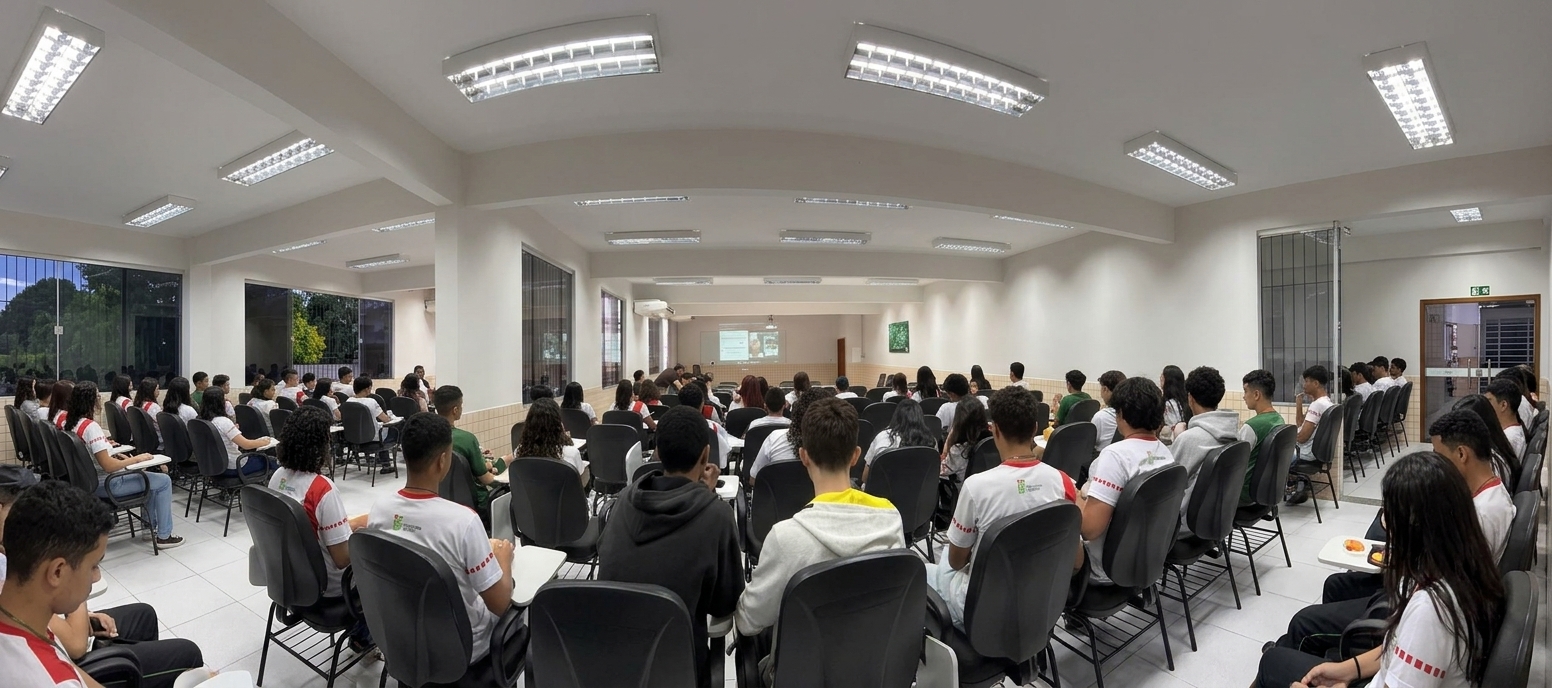
“A semana acadêmica é muito importante tanto para os nossos alunos quanto para a comunidade em geral de Rio Branco”, disse Carreira. “É uma oportunidade para jovens do ensino médio conhecerem a universidade e vivenciarem a ciência na prática.”
A cerimônia de encerramento ocorre nesta sexta-feira, 23, à tarde.
(Fhagner Soares, estagiário Ascom/Ufac)


 ACRE7 dias ago
Ufac abre 1ª Conferência Internacional Amazônia Nexus — Universidade Federal do Acre
 ACRE6 dias ago
Pavic-Lab da Ufac apresenta seis trabalhos em congresso internacional de computação — Universidade Federal do Acre
 ACRE5 dias ago
Ufac retoma Semana Acadêmica de Física após 6 anos, com planetário — Universidade Federal do Acre
 ACRE3 dias ago
Licenciatura Indígena realiza defesa de TCCs em aldeias no Juruá — Universidade Federal do Acre


Warning: Undefined variable $user_ID in /home/u824415267/domains/acre.com.br/public_html/wp-content/themes/zox-news/comments.php on line 48
You must be logged in to post a comment Login